Rick Steves Art of Europe
Rick Steves Art of Europe
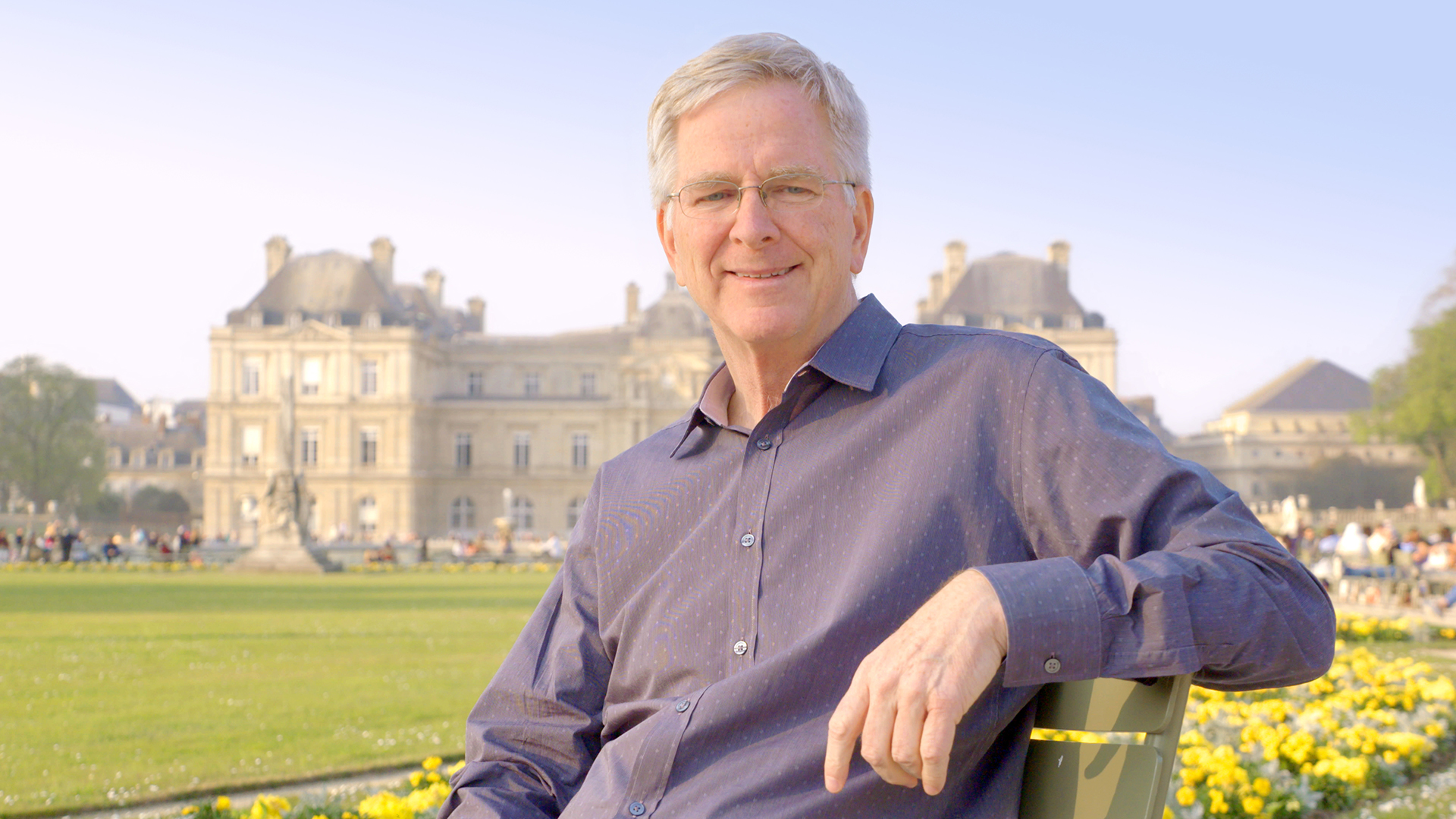
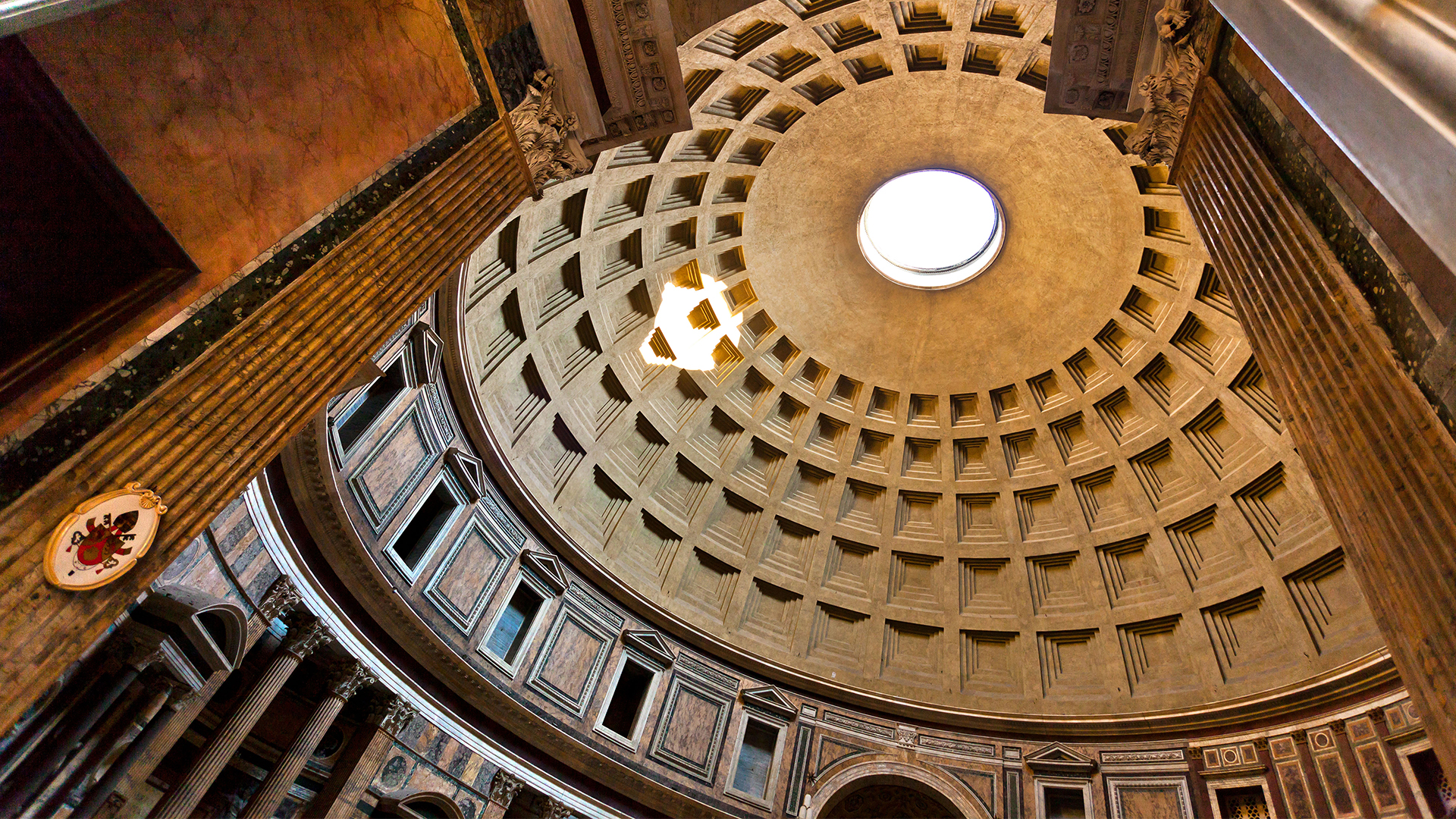
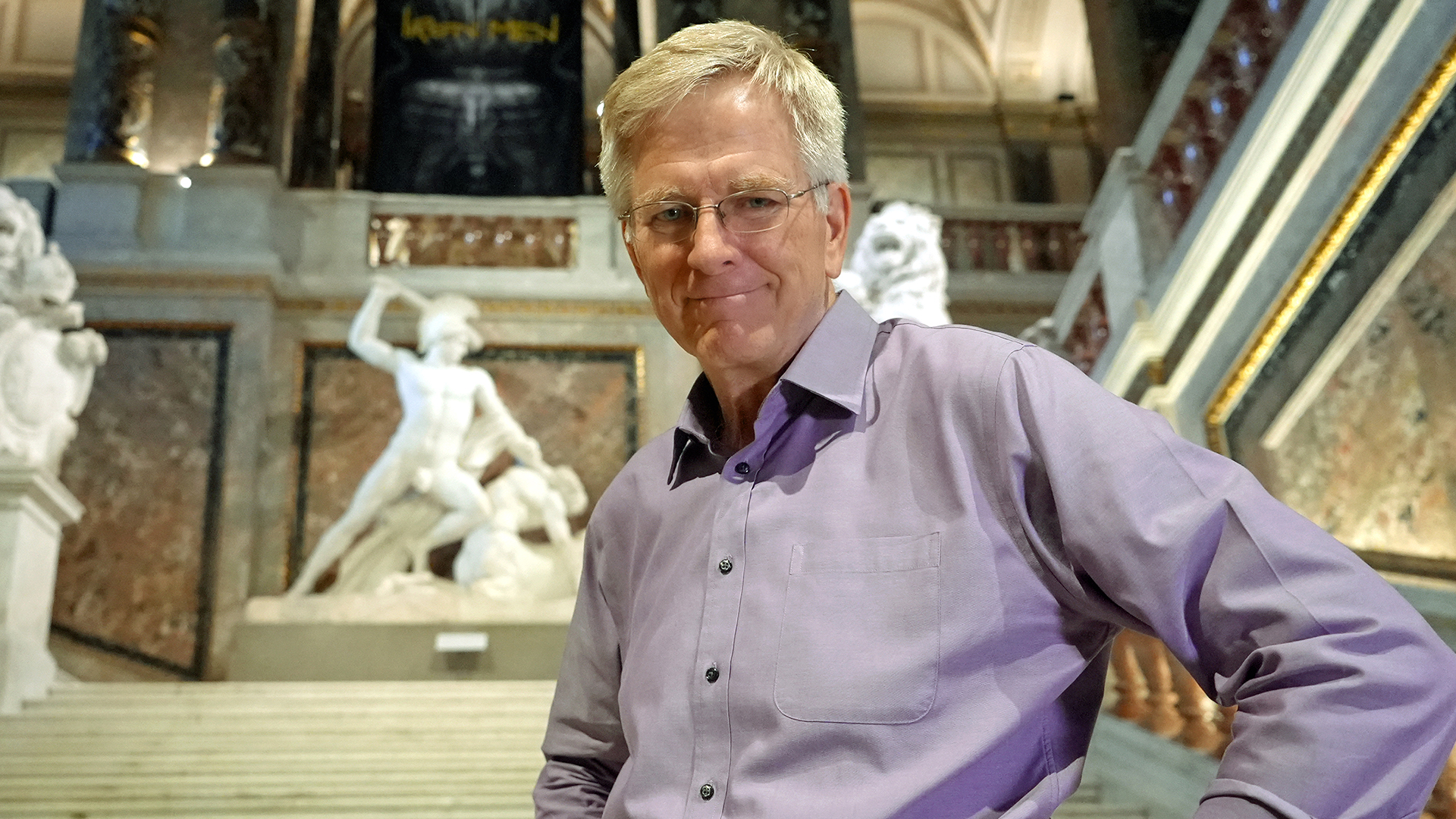
RICK STEVES ART OF EUROPE is an ambitious, six-part sweep through the span of European art history — weaving the greatest masterpieces into a fascinating story that's both entertaining and inspiring. Climbing deep into prehistoric tombs on remote Scottish isles, summiting Michelangelo's magnificent dome at the Vatican, waltzing through glittering French palaces, and pondering the genius of Picasso and Van Gogh, host Rick Steves shares his love of history and art throughout the ages.
The series (also available as six one hour specials) tells the story beginning with the earliest European art — cave paintings and mysterious stone circles. It follows the rise and fall of great civilizations, from the massive pyramids of Egypt to the temples of Greece, to the grandeur of ancient Rome. After a thousand years of the Middle Ages — with mighty castles, soaring cathedrals, and radiant religious art — viewers gaze into the eyes of the statue of David and witness how the beauty of ancient times was reborn in the Renaissance. Europe's divine monarchs, with their awe-inspiring palaces and exuberant art, were eventually countered by the Enlightenment and revolution which brought about a flowering of new styles: from stern Neoclassicism to unbridled Romanticism, to the sun-dappled canvases of the Impressionists. Rick takes viewers to the finish by careening through Europe's tumultuous 20th century, exploring ever-wilder frontiers of artistic expression. Celebrate the joy of Europe’s art and how it depicts the past and points the way forward.
EPISODES:
#101 - Prehistoric and Ancient
As the Ice Age glaciers melted, European civilization was born — and with it, so was art. From the Stone Age came prehistoric art: mysterious tombs, mighty megaliths, and vivid cave paintings. Then the Egyptians and the Greeks laid the foundations of Western art — creating a world of magical gods, massive pyramids, sun-splashed temples, and ever-more-lifelike statues.
#102 - Ancient Rome
The Romans gave Europe its first taste of a common culture — and awe-inspiring art. From its groundbreaking architecture to its statues, mosaics, and frescos, Rome engineered bigger and better than anyone before. At its peak, the Roman Empire was a society of unprecedented luxury, with colossal arenas for entertaining the masses and giant monuments to egotistical emperors. And then it fell.
#103 - The Middle Ages
After Rome fell, Europe spent a thousand years in its Middle Ages. Its art shows how the light of civilization flickered in monasteries and on Europe’s fringes: Christian Byzantium, Moorish Spain, and pagan Vikings. Then, around A.D. 1000, Europe rebounded. The High Middle Ages brought majestic castles, radiant Gothic cathedrals, and exquisite art that dazzled the faithful and the secular alike.
#104 - The Renaissance
Around 1400, Europe rediscovered the aesthetics of ancient Greece and Rome. This rebirth of classical culture showed itself in the statues, paintings, and architecture of Florence, then spread to Spain, Holland, Germany, and beyond. The Renaissance—from art-loving popes to Leonardo’s Mona Lisa and Michelangelo’s David — celebrated humanism and revolutionized how we think about our world.
#105 – The Baroque Age
In the 1600s and 1700s, the art of "divine" kings and popes — and of revolutionaries and Reformers — tells the story of a Europe in transition. In the Catholic south, Baroque bubbled over with fanciful decoration and exuberant emotion. In the Protestant north, art was more sober and austere. And in France, the excesses of godlike kings gave way to revolution, Napoleon, and cerebral Neoclassicism.
#106 -The Modern Age
In the 1800s, the Industrial Revolution spawned new artistic styles: idealized Romanticism, light-chasing Impressionism, sensuous Art Nouveau. Then Europe’s tumultuous 20th century inspired rule-breaking art as exciting as the times: from Expressionism and Cubism to Surrealism to Abstract. The genius of artists like Van Gogh, Picasso, and Dalí express the complexity of our modern world.
Produced by Rick Steves’ Europe, Inc. 2022.